When planning a roof replacement, most homeowners focus on the outer roofing material they can see. However, there’s a critical component working behind the scenes that plays a vital role in protecting your home: roof underlayment. What is roof underlayment exactly, and why is this often-overlooked layer so important for your roofing system’s performance?
Roof underlayment serves as your home’s protection against water infiltration, acting as an additional layer of protection between your roof sheathing and the visible roofing materials like asphalt shingles or metal roofs. This protective layer is essential for preventing water damage, structural damage, and costly repairs down the road.
What Is Roof Underlayment: Understanding Its Purpose
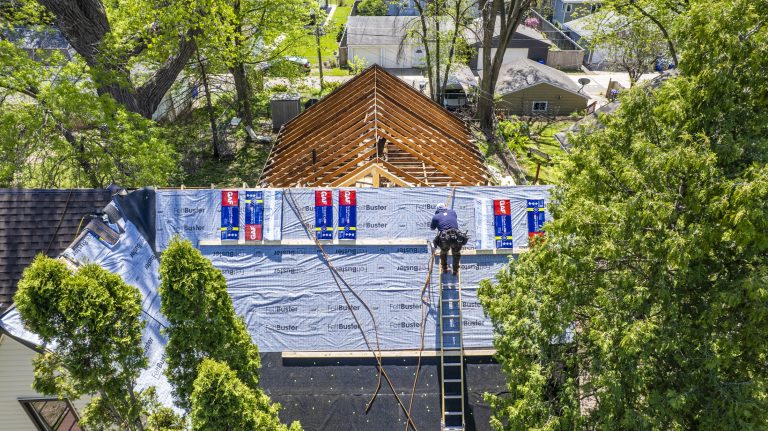
Roof underlayment is a water-resistant material installed directly onto your roof decking before the outer roof covering is applied. This unsung hero of your roofing system provides backup protection when your primary roofing materials are compromised by severe weather, high winds, or wind-driven rain.
The underlayment serves several crucial functions in your entire roof system:
- Water resistance: Creates a watertight seal that prevents water intrusion during heavy rainfall or when ice dams form
- Weather protection: Guards against harsh weather conditions and extreme temperatures that could damage the roof structure
- Moisture barrier: Prevents mold growth and moisture damage by blocking water from reaching the roof decking
- Code compliance: Helps meet local building codes and ensures proper installation practices

Main Types of Roofing Underlayment
Understanding the different types of roof underlayment helps you make the best choice for your specific roof type and local climate. Professional roofers typically work with three basic types of underlayment:
Asphalt-Saturated Felt (Traditional Felt): Often called tar paper, felt underlayment represents one of the oldest types of roofing underlayment. This asphalt underlayment has been used for a long time and remains a good choice for many roofing projects. However, it’s more susceptible to environmental factors and may not provide the same level of protection as newer materials.
Synthetic Underlayment: Synthetic roofing underlayment made from synthetic materials and rubber polymers offers superior performance compared to traditional felt. This type of underlayment provides:
- Enhanced water resistance and durability
- Better performance in strong winds and extreme temperatures
- Lighter weight, making the installation process easier
- Longer lifespan and better resistance to mold growth
Self-Adhered Underlayment: Also known as stick underlayment, this premium option creates an exceptional watertight seal. Self-adhered underlayment is particularly effective for low-slope roofs, flat roofs, and areas prone to ice dams. While it’s among the more expensive options, it provides the best underlayment protection available.
Why Your Home Needs Proper Underlayment
Your roofing contractor will tell you that skipping or choosing inadequate underlayment is never a good idea. Here’s why proper underlayment installation is essential:
- Protection Against Water Damage: Even the highest-quality asphalt shingles, metal roofs, or tile roofs can experience water infiltration during severe weather events. Underlayment provides that extra layer of protection, preventing water from reaching your roof sheathing and causing structural damage.
- Compliance with Building Standards: Most local building codes require appropriate underlayment for different roof applications. Professional roofers ensure your roofing system meets these requirements, protecting both your investment and your family’s safety.
- Enhanced System Performance: The right roof underlayment works seamlessly with different components of your roofing system. Whether you’re installing tile shingles, working with tile roofs, or dealing with flat roofs, the most suitable underlayment enhances overall system performance.
Choosing the Best Underlayment for Your Project
Selecting the right type of underlayment depends on several factors:
- Roof type: Different materials work better with specific roof types
- Local climate: Areas with heavy rainfall or harsh weather may benefit from a synthetic roof underlayment
- Budget considerations: While synthetic materials cost more initially, they often provide better long-term value
- Building requirements: Local building codes may specify certain underlayment types for your area
The main advantage of working with experienced professional roofers is their ability to recommend the most suitable underlayment for your specific situation. They understand how different materials perform under various environmental factors and can ensure proper installation for maximum protection.
Roof underlayment may not be visible once your roofing project is complete, but it plays an important role in protecting your home from water intrusion, moisture damage, and costly repairs. This critical component transforms your roof covering into a comprehensive roofing system designed to withstand whatever the Columbus weather brings.
Contact BBB Accredited Imperial Roofing today for expert installation and quality materials that will keep your family safe and dry. Our experienced team will help you choose the right underlayment and roofing solution for your needs. Call now for your free estimate!