When you receive a roofing estimate, you might notice multiple line items that leave you wondering what exactly you’re paying for. Understanding the parts of a roof helps you make informed decisions about your roofing project and ensures you’re getting a comprehensive quote that covers all necessary components. Whether you’re planning a roof replacement or simply want to understand your home’s protection system better, knowing these structural components is the first step toward becoming an educated homeowner.

Essential Parts of a Roof: The Structural Foundation
Before any roofing material goes on, your roof needs a solid structural foundation. The roof structure consists of several critical elements working together to support the entire roofing system.
Roof Trusses and Collar Beams
Roof trusses form the skeleton of your roof, transferring weight from the roof covering down to your exterior walls. These engineered components are designed to handle weather conditions ranging from heavy snow loads to strong winds. Collar ties and collar beams add structural support by connecting opposing rafters, preventing roof spread, and maintaining structural integrity over time. Regular inspections of these elements help identify potential structural damage before it leads to costly repairs.
Roof Decking and Sheathing
The roof decking, also called roof sheathing, creates the base layer where all other roofing materials attach. Most modern homes use oriented strand board (OSB) or plywood as decking material. This layer must remain in good condition to support asphalt shingles, metal roofing, or whatever roof covering you choose. Water infiltration can compromise decking quickly, which is why proper roof underlayment and flashing are essential protective layers.
Understanding Underlayment: Your Roof’s Hidden Protection
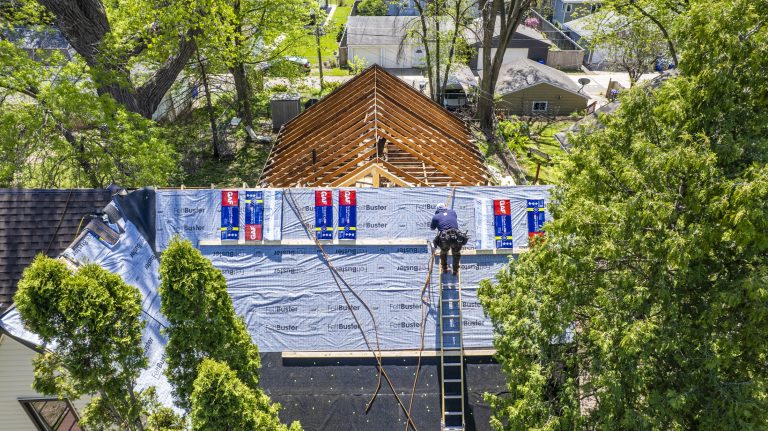
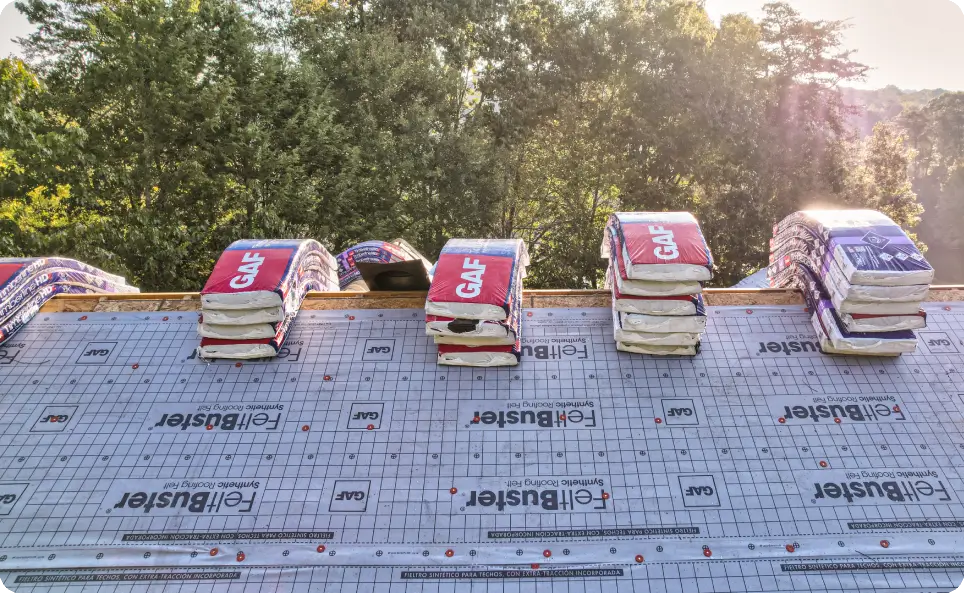
Between your roof decking and the visible shingles lies a layer of protection that most homeowners never see but should never overlook. Types of underlayment have evolved significantly, moving from traditional felt paper to advanced synthetic materials.
Synthetic Underlayment Benefits
Synthetic underlayment has become the industry standard for good reason. This waterproof membrane offers superior water resistance compared to older materials, providing better protection against moisture buildup and water damage. The best way to ensure long-term roof performance is to invest in quality underlayment during installation, especially in vulnerable areas around roof valleys and roof edges.
Ice and Water Shield
In regions experiencing harsh winters, ice and water shield becomes crucial along the edge of the roof, around roof penetrations, and in valleys. This self-sealing material prevents water shield failures that could lead to water infiltration into your attic space, protecting both structural components and your home’s interior from damage.

The Visible Roof Covering: Shingles and Beyond
The type of underlayment you choose impacts what goes on top, but the roof covering itself is what most people think about during a roofing project.
Asphalt Shingles
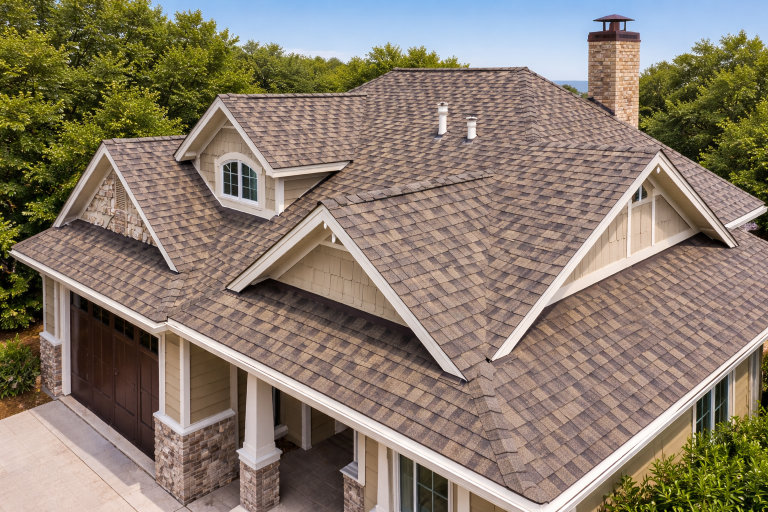
Asphalt shingle installations remain the most common type of residential roofing in America. Available in various styles from basic three-tab to architectural designs, they offer curb appeal at reasonable labor costs. Dimensional shingles provide better aesthetic appeal and longer warranties, while impact-resistant options help in areas prone to hail and high winds.
Metal Roofing Options
Metal roofing continues gaining popularity due to energy efficiency and durability. Standing seam metal roofs can last 50+ years with proper maintenance, often outliving multiple asphalt shingle installations. While initial costs run higher, energy costs typically decrease due to metal’s reflective properties, and the finished look adds modern aesthetic appeal to any architectural style.
Critical Water Management: Flashing and Drainage Components
Water management separates a roof in good shape from one headed toward problems. Several different parts of a roof work exclusively to direct water away from vulnerable areas.
Roof Flashing Types
Roof flashing protects transitions and penetrations where water could otherwise infiltrate:
-
- Chimney flashing: Creates a waterproof seal around chimneys
-
- Valley flashing: Protects roof valleys where two slopes meet
-
- Pipe boots: Seals around vent pipes penetrating your roof
-
- Drip edge: Channels water away from fascia board and into gutters
Poor installation of flashing leads to some of the most common roofing issues. Bad roofers often skip proper flashing techniques, resulting in water damage that appears inside walls or ceilings long before roof problems become visible from outside.
Learn how flashing installations add to roof replacement costs here: How Much Is a Roof Replacement? A Columbus Homeowner’s Cost Breakdown
Fascia, Soffit, and Gutters
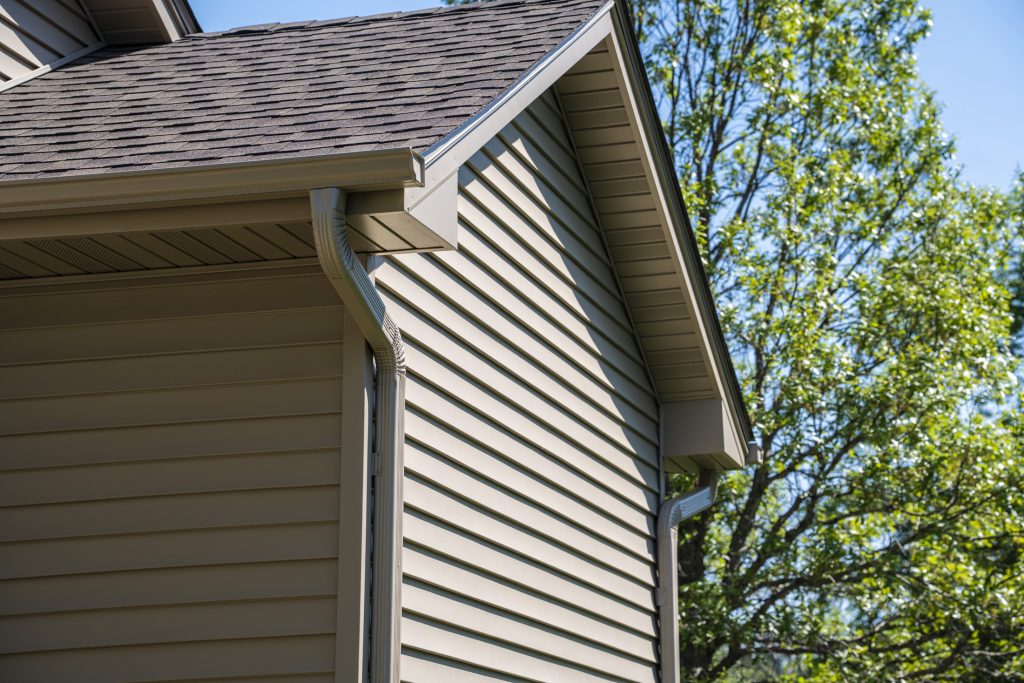
The fascia board runs along the roof’s edges, providing attachment points for gutters while protecting the roof edge from weather exposure. Soffit vents installed underneath provide intake vents for proper ventilation, allowing fresh air into the attic space. Seamless gutters complete the water management system by channeling runoff away from your foundation.
Ventilation Systems: The Key to Roof Longevity
Proper ventilation might not seem important, but poor ventilation ranks among the top causes of premature roof failure. Your roof system needs balanced airflow to prevent moisture buildup and regulate attic temperature.
Intake and Exhaust Balance
Soffit vents serve as intake vents, drawing fresh air into your attic space. This air travels upward and exits through exhaust vents near the highest point of your roof. Common exhaust vent options include:
-
- Ridge vents running along the roof’s ridge
-
- Box vents placed near the ridge line
-
- Turbine vents that use wind power
Poor ventilation creates multiple problems: excessive energy costs from superheated attics, shortened shingle life from heat damage, and moisture buildup leading to mold and rot. Building codes specify minimum ventilation requirements, but exceeding minimums often proves a good idea for energy efficiency and roof longevity.
Special Considerations for Different Roof Types
Not all roofs are created equal. A gable roof requires different components than a hip roof, while a flat roof or mansard roof presents unique challenges compared to a sloped roof.
Flat Roof Considerations
Flat roof systems rely heavily on proper drainage since water doesn’t shed naturally. These roofs typically use different materials like TPO, EPDM, or modified bitumen rather than traditional shingles. Regular inspections become even more critical because water pooling can go unnoticed until interior damage occurs.
Complex Roof Features
Homes with multiple roof valleys, dormers, or complex rooflines require additional flashing and careful attention to vulnerable areas. While these features add natural light and visual interest, they also increase the number of potential water entry points, making professional installation essential.
Reading Your Roofing Quote
Understanding these different materials and structural components helps you evaluate roofing estimates. A comprehensive roofing quote should include:
-
- Complete tear-off of old roof (if replacement)
-
- New roof decking where needed
-
- Quality underlayment appropriate for your climate
-
- Roofing material with specified brand and style
-
- All necessary flashing, including chimney, valley, and penetration flashing
-
- Ridge caps and ridge vents
-
- Drip edge installation
-
- Proper ventilation components
-
- Labor costs broken down clearly
-
- Workmanship warranty details
Beware of quotes significantly lower than competitors’. They might exclude necessary components or use inferior synthetic materials that won’t provide adequate structural support or weather protection. The best way to protect your investment is to choose a roofing contractor who explains each line item and its specific purpose in your entire roofing system.
Protect Your Investment with Quality Components
Every part of the roof serves a specific purpose in protecting your home from water damage, maintaining structural integrity, and controlling energy efficiency. Cutting corners on any component can lead to costly repairs down the road and potentially void manufacturer warranties.
Ready to get a detailed roofing quote that covers all the essential components your home needs? BBB Accredited Imperial Roofing & Contracting brings over a decade of expertise to every roofing project in Columbus and the surrounding areas. Contact us for a comprehensive roofing estimate that breaks down exactly what you’re getting, backed by our workmanship warranty and financing options to fit your budget.
Related: Not Sure When to Replace Roof Materials? What to Look For